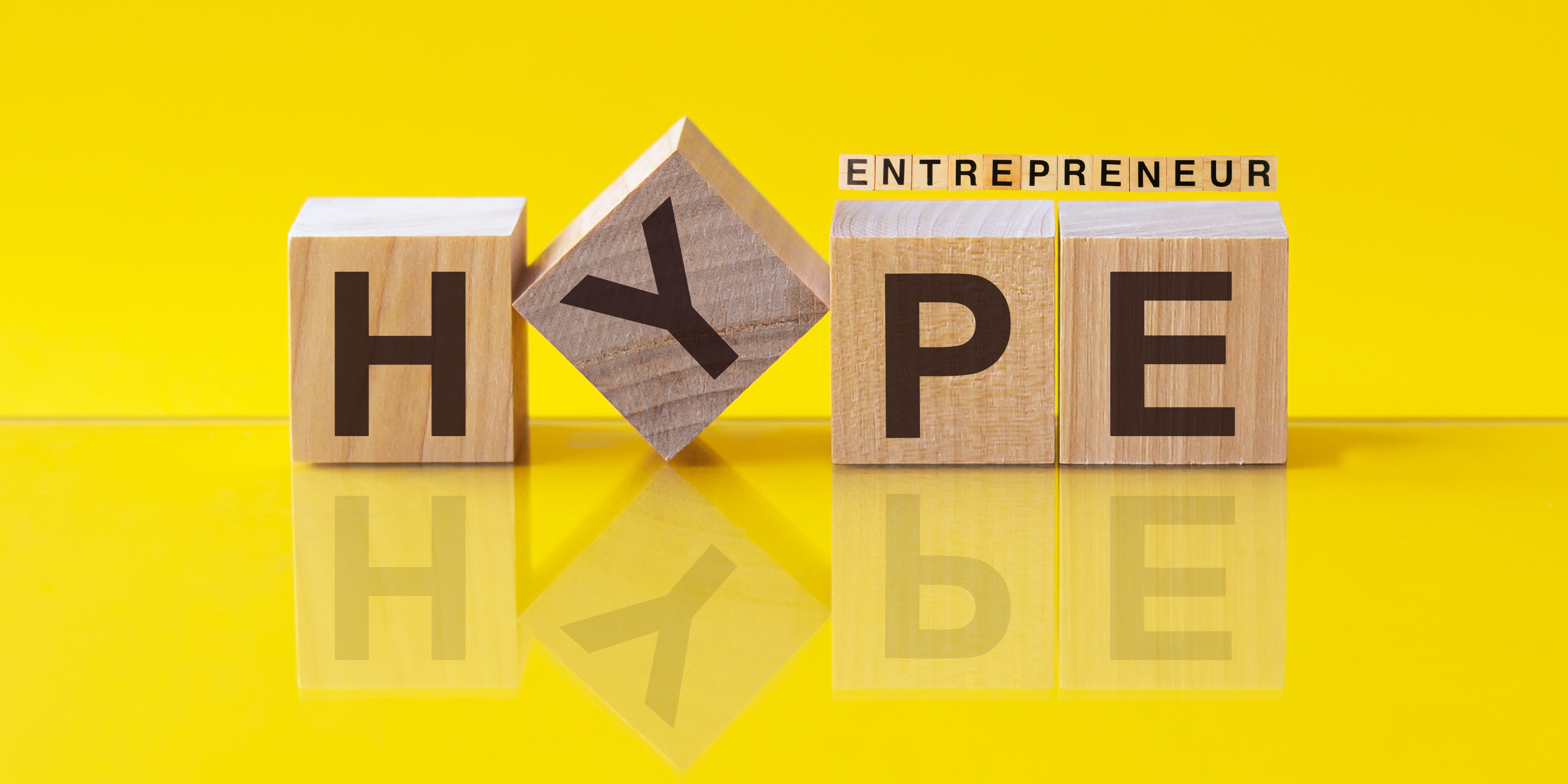
In the competitive world of entrepreneurship, a startup needs more than a solid product and a passionate team. It needs hype. Not empty noise, but strategic, meaningful attention that pulls the market toward it.
“A startup grows faster when people believe in the story before they experience the product. Hype is the bridge that carries them there.”
Today, hype is not an optional accessory for startups. It is a driving force that shapes early brand identity, attracts customers, signals investor confidence, and anchors long term momentum. Many founders hesitate to embrace hype because they associate it with exaggeration or superficial marketing. The truth, however, is far different. Real hype is about storytelling, emotional connection, and creating a sense of movement that people want to be part of.
As someone who has spent years in the marketing world and helped brands accelerate their growth, I have seen firsthand what hype can do. When used correctly, hype becomes a competitive advantage that multiplies the impact of every other effort a startup makes.
In my own words,
“Hype does not replace hard work. It amplifies it.” With the right strategy, hype can be the spark that ignites a powerful brand story.”
This article explores why hype matters, how it influences every stage of a startup journey, and why early attention can shape long term success far more than many founders realize.
1. Hype Builds Early Awareness in a Crowded Market
Every year, thousands of startups launch across industries. Most of them struggle not because they lack potential, but because no one notices them. Attention is the world’s most valuable currency, and hype is the tool that earns it.
When a startup creates hype, it signals to the market that something new, exciting, or innovative is happening. People naturally gravitate toward things that create curiosity. Hype triggers questions like:
– What is this?
– Why is everyone talking about it?
– Do I need to be part of it?
This psychological pull gives a startup the momentum it needs during the fragile early stage where visibility is often the biggest challenge. With proper hype, even a small brand can stand out among giants.
Early attention also influences perception. If people hear about your product before they see it, they approach it with a sense of anticipation rather than skepticism. This positive bias often becomes the foundation of early user adoption.
2. Hype Creates Social Proof Before Success Arrives
One of the biggest hurdles for startups is acquiring trust. People hesitate to try new brands simply because they have no track record. Hype, when authentic, acts as a bridge between doubt and belief.
Crowds attract crowds. When users, influencers, media outlets, or communities talk about a new startup, it sends a clear message that something worthwhile is taking place. This is why many breakout products go viral. The conversation around them becomes a form of social proof.
For investors, hype is often a signal that a founder understands the market and knows how to capture attention. Investors do not only fund ideas. They fund momentum. A startup that demonstrates hype displays the potential to scale.
I often share this perspective:
“Attention is the new capital. The more excitement you create, the more opportunities you unlock.”
3. Hype Helps Shape Brand Identity From Day One
A startup brand is not built through logos or taglines. It is built through perception. Hype gives founders the opportunity to control that perception early by telling the story they want the world to hear.
When a startup introduces itself through an intentional, well crafted hype strategy, the brand forms around energy, vision, and ambition. This early narrative becomes the foundation of long term brand equity.
For example, tech products that create hype are often perceived as innovative even before people experience the product. Fashion brands that spark hype are seen as exclusive and high demand. Health and wellness startups that build hype are seen as trendy or lifestyle centric.
Hype creates the emotional positioning that shapes how customers describe the brand to others. That is incredibly valuable in an age where word of mouth is one of the strongest forms of marketing.
4. Hype Accelerates Early Sales and User Acquisition
Startups operate under pressure. They need revenue. They need users. They need results. Hype creates urgency and motivates people to take action faster.
A product launch backed by hype feels like an event rather than an announcement. People want to be among the first to experience something new. They want to be early adopters. They do not want to miss out.
Hype leverages psychological triggers such as:
- Curiosity
- Scarcity
- Social belonging
- Fear of missing out
- Emotional excitement
These triggers push potential customers from interest to action. When people are excited about something, they buy quicker, engage more actively, and talk about it more passionately. That is the kind of growth startups need.
5. Hype Attracts Talent and Builds a Strong Team Culture
Great teams do not join unknown companies simply because of the job description. They join vision, energy, and belief. Hype is a magnet for talent because it signals that the startup is heading toward something big.
When talented individuals feel a buzz around a brand, they start paying attention. They begin to ask questions. They see potential. They imagine themselves being part of the growth story.
Internally, hype creates motivation and unity. Teams feel proud to represent a brand that people are talking about. This pride transforms into performance, which in turn strengthens the startup from the inside.
Your startup identity becomes something employees feel emotionally connected to, especially when hype highlights progress, achievements, and future potential.
6. Hype Gives Startups the Power to Compete With Bigger Brands
Startups rarely have the budget, resources, or market presence of established companies. But hype can bridge that gap.
A well executed hype strategy can place a startup in the same conversation as industry leaders, even without matching their scale. When a startup generates excitement, people compare it to major players. This comparison elevates the brand’s perceived authority.
Hype is one of the few tools that allow small companies to punch above their weight. It multiplies influence far beyond financial limitations.
Even established brands know this, which is why they invest heavily in pre launch campaigns, influencer collaborations, and storytelling. Startups have the same advantage when hype is used intelligently.
7. Hype Strengthens Investor Confidence and Fundraising Outcomes
Investors want to back startups that show energy, demand, and momentum. Hype provides all three. It demonstrates that the market is responding positively even before major revenue milestones arrive.
A startup that creates hype often:
- Receives more pitch meeting offers
- Gains higher valuation potential
- Attracts better partnership opportunities
- Builds stronger long term investor relationships
Investors love traction, but traction begins with attention. Hype signals that the founder knows how to generate interest, influence perception, and scale brand presence.
In early stage funding, hype is sometimes the deciding factor between being noticed and being ignored.
8. Hype Keeps Customers Engaged Beyond the First Interaction
The most successful startups are not the ones that launch big. They are the ones that keep the momentum alive. Hype helps maintain engagement even after the initial excitement fades.
Startups that remain relevant are those that continue to share stories, updates, community moments, and achievements. They give people a reason to stay connected. In many cases, customers become advocates, and advocates become loyal supporters.
Sustained hype builds community, and community becomes the backbone of long term success.
9. Smart Hype Is Rooted in Authenticity
There is a misconception that hype means exaggeration. This is not true. The hype that drives real growth is built on authenticity, truth, and value.
The strongest hype:
- reflects the startup’s purpose
- highlights the real benefit
- focuses on the problem the startup solves
- aligns with the founder’s personality and mission
Authentic hype builds trust. It makes people feel connected to the story, not manipulated by marketing. Every startup must ensure that hype is a reflection of reality, not a distraction from it.
Your Founder Insight: Why Hype Is a Strategic Necessity
As a marketing strategist and founder, I have observed a clear pattern across the brands I have worked with. The market no longer responds to silence. It responds to energy, storytelling, and emotion. Startups that fail to build hype often struggle longer than they need to.
Here is another quote reflecting my belief:
“People do not discover great ideas on their own. They discover what you make them excited about.”
This insight shapes how I approach brand building. Hype is not a tactic. It is part of the vision. It is the commitment to ensure that the world sees the value you are creating.
Hype Is Fuel for Startup Growth
A startup is more than an idea. It is a narrative. It is a promise. It is a movement waiting to unfold. Hype turns that movement into something visible and powerful. Without hype, a startup often relies on luck. With hype, it becomes intentional, strategic, and capable of breaking through the noise.
From awareness to trust, from sales to investment, from culture to community, hype influences every dimension of a startup journey.
If there is one message every founder should remember, it is this:
“Hype is not optional. It is essential. It is the force that accelerates belief, amplifies results, and transforms potential into impact.”
Startups that embrace hype do not wait for success. They create the momentum that leads to it.